
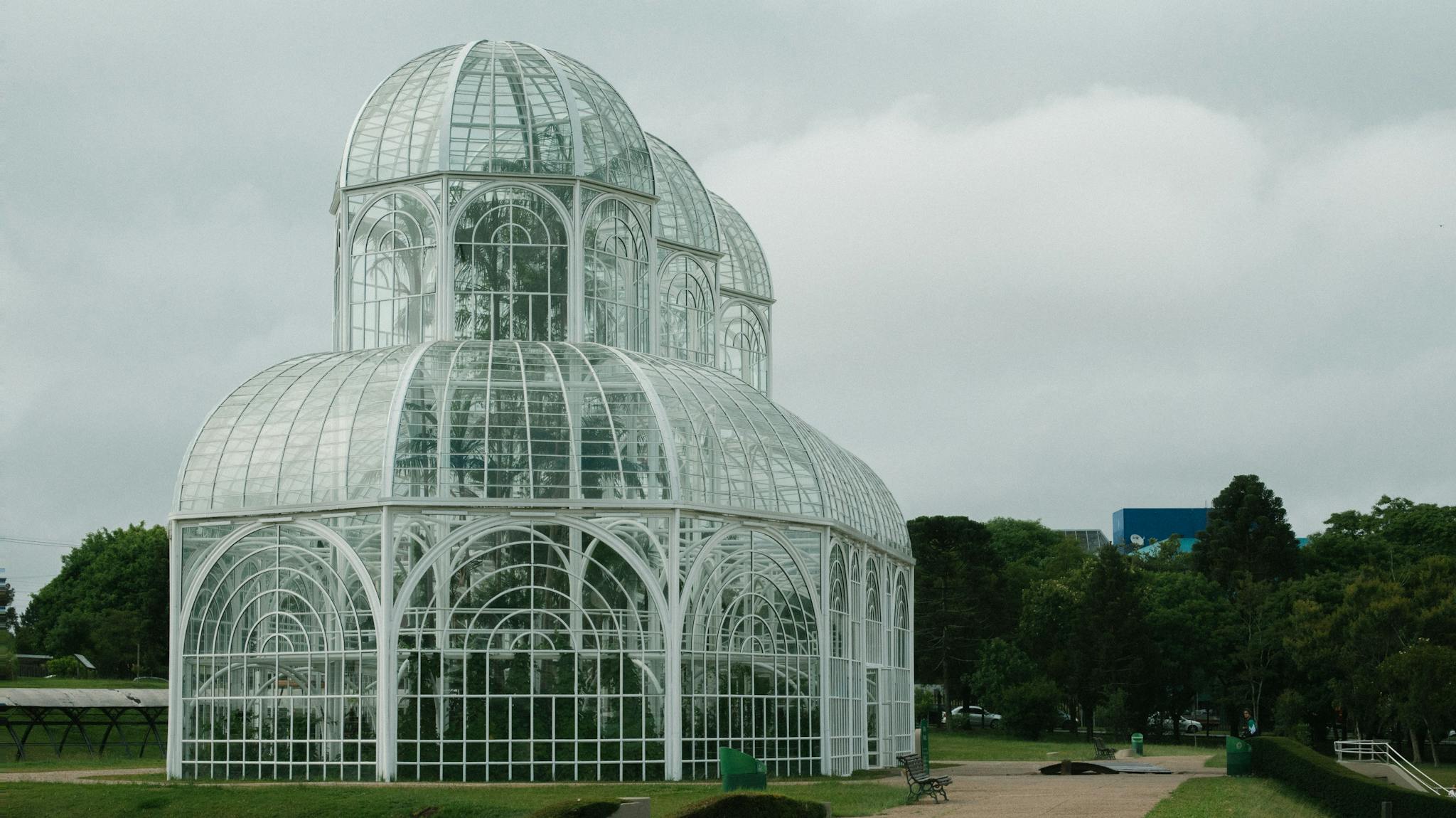
Orangery Conservatory Planning Permission
In the grand scheme of home improvements, deciding to add an orangery conservatory is akin to choosing a dessert at a fancy restaurant—you think it’ll be straightforward until you’re handed a novel of regulations.
You’ve probably heard that you might not need planning permission, thanks to the generous allowances of permitted development rights. However, the devil, as they say, is in the details. From property size limitations to the proximity of boundaries, understanding these conditions is crucial.
To navigate these murky waters without unwittingly breaking any laws, let’s explore the essentials of securing your project’s legality, leaving no stone unturned.
Key Takeaways
- Orangeries and conservatories often fall under permitted development rights, avoiding the need for planning permission if specific conditions are met.
- Adherence to regulations regarding size, height, and design is crucial to ensure legality and avoid potential penalties.
- In heritage and designated areas, obtaining listed building consent and complying with strict regulations is essential to preserve historical integrity.
- Building regulations, including Part O, aim to enhance safety, quality, and comfort, emphasising the importance of consulting professionals for compliance.
Introduction to Orangery and Conservatory Planning
When planning to add an orangery or conservatory to your home, it’s crucial to understand the basics of planning permission. Despite often not requiring permission due to permitted development rights, these extensions must meet specific criteria regarding size, height, width, and design.
Additionally, it’s important to distinguish between orangeries and conservatories, as their differences may impact regulatory compliance and safety requirements.
Understanding the Basics of Planning Permission
Before embarking on the construction of an orangery or conservatory, it’s crucial to understand that these extensions typically fall within permitted development rights, negating the need for planning permission provided certain conditions are met. Grasping the intricacies of size, height, and design limitations is vital.
Differences Between Orangeries and Conservatories
Understanding the differences between orangeries and conservatories is essential for planning your extension within the regulatory framework.
Orangeries feature more brickwork and solid walls, seamlessly blending with your property, offering a more permanent extension.
In contrast, conservatories, with their extensive glass structures, serve as greenhouse-like spaces, generally simpler and quicker to construct.
Recognising these distinctions ensures your project aligns with both your aesthetic desires and compliance requirements.
Planning Permission for Orangeries
As you plan your orangery, it’s crucial to understand that they’re generally considered permitted developments, thus often exempt from planning permission.
However, you must ensure the structure doesn’t cover more than 50% of your house size, maintains a height below four meters, and its width is less than half that of your house.
Additionally, avoid incorporating elevated platforms, balconies, or eaves over three meters in height near boundaries to comply with regulations.
General Guidelines for Orangery Planning Permission
When planning to add an orangery to your property, it’s essential to know that these structures are generally exempt from planning permission, provided they adhere to certain guidelines. Specifically, your orangery mustn’t cover more than 50% of your house’s size, exceed four metres in height, or be wider than half of your house.
Additionally, avoid including elevated platforms or balconies and ensure eaves near boundaries don’t surpass three metres.
Building Regulations for Orangeries
As you plan your orangery, it’s crucial to understand that building regulations, including Part O which focuses on reducing overheating in buildings, play a vital role in its construction.
You must ensure your design complies with these regulations to not only meet safety and quality standards but also to enhance the comfort and usability of your space.
Failure to adhere to these standards can lead to significant issues, underscoring the importance of consulting with professionals familiar with the specific requirements of orangery construction.
Overview of Building Regulations Part O
Building Regulations Part O specifically addresses the challenge of reducing overheating in orangery structures by setting strict limits on solar gains during summer months. It mandates window sizes relative to room area, orientation, and building location.
You’ll find cross-ventilation and external shading mandated for high-risk areas, ensuring your space stays comfortable. For comprehensive understanding, refer to the official documentation outlining these precise guidelines.
Reducing Overheating in Buildings
To ensure your orangery remains comfortable during the warmer months, Building Regulations Part O outlines specific measures to mitigate overheating. It sets limits on solar gains and details ways to remove excess heat. Your orangery’s window sizes must reflect room area, orientation, and location.
In high-risk areas, cross-ventilation and external shading are necessary. For comprehensive guidance, refer to the full Part O documentation.
Converting a Conservatory to an Orangery
When you’re converting a conservatory to an orangery, it’s crucial to determine whether you need planning permission due to the structural modifications involved.
You’ll need to consider the process, focusing on aspects such as enhancing insulation and ensuring architectural cohesion with the existing structure.
These considerations are paramount for a seamless transition and compliance with relevant regulations.
Do You Need Planning Permission?
Converting your conservatory into an orangery may require planning permission, especially if significant structural alterations are involved. Adding brickwork or reducing glass affects this requirement. If the conversion significantly changes the appearance or structure, planning permission is probably needed. Alterations impacting height, size, or overall design may necessitate approval.
It is important to seek advice from local authorities or a professional to establish whether your conversion project needs planning permission.
Process and Considerations
Before initiating the transformation of other conservatory type into an orangery, you must consider the necessity for planning permission and ensure compliance with building regulations. Significant alterations, such as adding more brickwork, solid walls, and a lantern roof, may require approval. Moreover, upgrading insulation, ventilation, and heating to meet standards is crucial.
Consulting local authorities and professionals will guide you smoothly through this approval process, fostering a sense of belonging in your transformed space.
Positioning Your Orangery: Side vs. Rear
When you’re deciding on positioning your orangery, it’s crucial to understand the planning implications for side-built structures versus the guidelines for rear-built ones.
Side installations often face stricter boundary distance requirements and considerations regarding neighbouring properties.
Conversely, rear placements typically allow for better integration with your garden, subject to specific planning permissions.
Planning Implications for Side-Built Orangeries
Navigating the regulatory landscape is essential when positioning your orangery on the side of your house. This process involves specific planning permissions due to its proximity to boundaries and neighbouring properties. You must consider regulations restricting height, width, and boundary distance.
Consulting local authorities and adhering to guidelines ensures your project respects neighbours and complies with visual impact standards. This fosters community harmony and a sense of belonging.
Guidelines for Rear-Built Orangeries
After exploring the considerations for side-built orangeries, it’s crucial to understand the guidelines governing rear-built orangeries, as these structures often present a more discreet option for extending your home.
- Rear-built orangeries typically have less impact on the property’s external appearance.
- They offer more privacy and better integration with outdoor spaces.
- Consider sun orientation and existing landscaping.
- Side-built orangeries could affect property symmetry and visual balance.
Additional Restrictions for Orangery Construction
You must account for the original house structure when planning your orangery, ensuring it adheres to specific architectural constraints.
Navigating restrictive covenants and designated lands requires a thorough understanding of local regulations to avoid penalties.
Failure to comply with these guidelines can result in fines of up to £5000, emphasising the importance of precision in the planning phase.
Considerations for the Original House Structure
When planning an orangery, it’s essential to consider how the original house structure might influence both the design and placement, as well as any restrictive covenants or specific permissions required.
- Original House Structure: May impact positioning and design.
- Restrictive Covenants: Limit development based on original house definition.
- Listed Building Consent: Required for listed buildings.
- Designated Land Areas: Subject to additional restrictions and regulations.
Navigating Restrictive Covenants and Designated Lands
Navigating restrictive covenants and designated lands requires a thorough understanding of the additional restrictions imposed on orangery construction to ensure compliance with specific regulations.
You must carefully consider these covenants and seek listed building consent for historical properties.
Compliance in designated areas demands consulting with local planning authorities to grasp and adhere to regulations, preventing legal complications and ensuring your orangery project belongs within its setting.
Special Cases: Listed Buildings and Orangeries
When planning an orangery on a listed building, you must secure listed building consent, ensuring the project complies with strict heritage regulations.
It’s essential to match materials and colours to the original structure, maintaining the property’s historical integrity.
Failure to obtain the necessary permissions constitutes a criminal offence, emphasising the importance of consulting local authorities early in your planning process.
Planning Permissions for Orangeries on Listed Buildings
For owners of listed buildings wishing to add orangeries, obtaining listed building consent is a mandatory prerequisite.
- *Materials and design must match the original building to preserve aesthetic coherence.*
- *Working without consent is a criminal offence, emphasising the importance of compliance.*
- *Regulations aim to maintain the historical integrity of listed buildings.*
- *Consultation with local authorities and heritage organisations is essential for informed decision-making.*
Addressing Designated Land Restrictions
Owners of listed buildings must also navigate additional restrictions when planning to construct an orangery on designated land. You are required to obtain listed building consent for any changes.
Designated areas, like conservation zones or National Parks, impose strict regulations to protect heritage. Always consult local planning authorities to ensure your orangery complies, preserving the area’s character while joining a community respectful of its history and regulations.
Conclusion
In navigating the construction of an orangery, it’s crucial to understand that, while typically exempt from planning permission, building regulations approval remains a mandatory step to ensure safety and compliance.
- Permitted development rights simplify the process.
- Compliance with safety standards is non-negotiable.
- Designated areas demand additional diligence.
- Engage with neighbour consultation schemes when applicable.
You’re not just building an extension; you’re weaving your vision into the fabric of your home.
Frequently Asked Questions
What size orangery can you build without planning permission?
You can build an orangery without planning permission if it’s no more than 50% of the size of your house, under four metres high, and less than half the width of your home, ensuring compliance and avoiding legal issues.
What is the 4-year rule for conservatories?
The 4-year rule allows you to obtain retrospective planning permission for your conservatory after it’s been completed for four years, granting immunity from enforcement. This rule doesn’t apply to listed buildings or designated areas.
What Is the Biggest Conservatory Without Planning Permission?
The largest conservatory you can build without planning permission must not exceed 50% of your home’s size, with a height under 4 metres and a width less than half your home’s. This ensures you are within legal bounds.
How close can I build a conservatory to my neighbour’s boundary?
You can build a conservatory close to your neighbour’s boundary, typically between 0.5 to 1 metre away. However, for eaves height, a 2-metre distance is often required. Always check local guidelines to ensure compliance.

