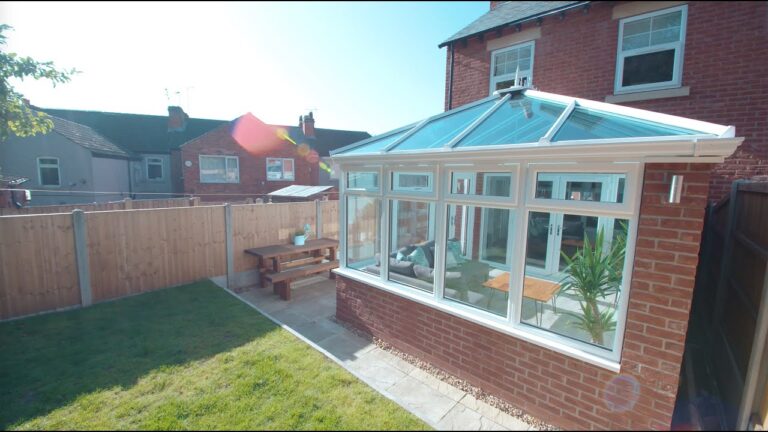

Do I Need Planning Permission to Insulate My Conservatory Roof
Embarking on the journey of insulating your conservatory roof introduces a myriad of considerations, paramount among them being the necessity of planning permission. Since the regulations were updated in 2010, the landscape for home improvements, particularly those concerning conservatory roof insulation, has evolved, offering homeowners more leeway.
However, the distinction between planning permission and building regulations remains a critical area for compliance, especially when it comes to energy efficiency and structural integrity. As we explore the nuances of insulating your conservatory roof without falling foul of local laws, understanding these distinctions becomes indispensable for any homeowner looking to enhance their conservatory’s usability and comfort.
Key Takeaways
- Insulating your conservatory roof typically falls under permitted development rights, often not requiring planning permission.
- Local authority regulations can vary, so consulting your local planning department is essential for compliance.
- Enhancing your roof’s insulation improves energy efficiency and comfort without needing planning permission in most cases.
- Professional consultation is recommended to ensure insulation meets regulatory standards and maintains structural integrity.
Importance of Insulating Your Conservatory Roof
Insulating a conservatory roof is a crucial step in improving the thermal efficiency of the structure. It creates a cosy environment throughout the year and reduces energy usage. There are different insulation choices available, each designed to suit specific needs and structural factors, allowing for a flexible approach.
A thorough knowledge of these options is essential when choosing the best solution for conservatory roof insulation. This guarantees that the chosen method meets performance goals and complies with regulations.
Overview of Insulation Options
Enhancing the thermal efficiency of a conservatory roof through proper insulation is crucial for achieving a comfortable living environment throughout the year. High-performance materials like Kingspan and Celotex are recommended to lower U-Value for superior energy efficiency.
A small void between insulation and glazing ensures ventilation while preserving insulation efficacy. This method shows how to improve conservatory insulation without planning permission, negating concerns about ‘do I need planning permission to insulate my conservatory roof?’
Planning Permission for Roof Insulation
When considering the insulation of a conservatory roof, it is crucial to comprehend the regulatory landscape governing such modifications.
While insulating a conservatory roof typically falls within permitted development rights, obviating the need for explicit planning permission, the specifics can vary based on local authority guidelines.
Therefore, it is imperative for homeowners to consult with their local planning department to ascertain whether their insulation project necessitates formal approval, ensuring compliance and avoiding potential legal complications.
Understanding the Requirements
While planning permission is generally not required for the insulation of a conservatory roof, it is imperative to ensure compliance with building regulations to maintain energy efficiency and structural integrity.
- Energy Efficiency: Insulation enhances thermal performance, making the conservatory comfortable year-round.
- Structural Integrity: Compliance ensures the structure can support the insulation.
- Professional Consultation: Consulting with local authorities or professionals is crucial to meet all regulations and standards.
When is permission needed?
In most scenarios, insulating a conservatory roof does not require planning permission, but specific circumstances may require such approval. When insulation significantly changes the external appearance or structure, planning permission is necessary.
It is important to consult with local authorities or planning portals to determine if permission is needed. Usually, insulating the roof without altering its external appearance falls within permitted development rights, so formal approval is not necessary.
Insulating Without Planning Permission
In the context of enhancing a conservatory’s energy efficiency, insulating the roof presents a viable option that, under many jurisdictions, does not necessitate planning permission.
This section explores various insulation improvement methods, while carefully considering the legal landscape and ensuring compliance with relevant building regulations.
It is imperative for homeowners to verify these exemptions with local planning authorities to avoid potential legal complications.
Options for Insulation Improvement
Enhancing the thermal efficiency of your conservatory by insulating the roof typically falls outside the scope of general planning permission requirements, offering homeowners various options for improvement without the need for approval.
- Utilise foil-covered insulation sheets for effective, reflective insulation.
- Select high-performance materials like Kingspan or Celotex to maximise thermal efficiency.
- Aim for comprehensive coverage to ensure a comfortable conservatory environment year-round.
Legal Considerations and Compliance
Why is it crucial to understand the legalities surrounding the insulation of a conservatory roof without the necessity for planning permission?
Since 2010, many insulation projects do not require planning permission. However, compliance with building regulations remains mandatory.
It’s imperative to distinguish between the two to ensure legal compliance. Prior consultation on specific regulations is advised, safeguarding against inadvertent legal oversights and fostering a sense of community responsibility.
Types of Conservatory Roof Insulation
Exploring the array of conservatory roof insulation types reveals significant distinctions. Particularly when examining the benefits of foil insulation and the advantages inherent to new roofing materials.
Foil insulation, with its ability to act as a vapour barrier, offers a streamlined approach to enhancing thermal efficiency.
Meanwhile, the emergence of innovative roofing materials presents a broader spectrum of options for homeowners seeking to optimise the energy performance and durability of their conservatory roofs.
Benefits of Conservatory Foil Insulation
Conservatory foil insulation, reflecting up to 97% of radiant heat, stands as a pivotal solution for optimising temperature regulation and energy efficiency in conservatory roofs.
- Temperature Regulation: It maintains a comfortable environment year-round, reducing the need for additional heating or cooling.
- Ease of Installation: Its lightweight nature allows for straightforward, user-friendly installation.
- Condensation Prevention: Effectively combats dampness, ensuring a healthier conservatory atmosphere.
Advantages of New Roofing Materials
Advancements in roofing materials, such as the Guardian Warm Roof system, have revolutionised the efficiency and comfort of conservatory insulation, offering significant thermal benefits and compliance with modern building standards.
These innovative solutions address seasonal temperature fluctuations, ensuring a habitable environment throughout the year. With U-values as low as 0.18 W/m²K, they markedly reduce heating costs and meet stringent energy efficiency criteria, embodying a sustainable approach to conservatory roofing.
Using Polycarbonate in Roofing
In the context of conservatory roofing, polycarbonate materials stand out for their superior properties and performance metrics, offering an optimal balance between durability and insulation capabilities.
The installation process and considerations for polycarbonate roofing demand meticulous attention to detail to leverage its full potential, including the application of UV protection coatings and the selection of appropriate thickness for enhanced thermal efficiency.
This segment will explore the technical nuances and practical implications of using polycarbonate in roofing, underscoring its relevance in modern conservatory designs.
Properties and Performance
Polycarbonate roofing sheets, renowned for their durability and lightweight properties, have emerged as a superior choice for insulating conservatory roofs. These materials excel in:
- Providing excellent thermal insulation, which aids in temperature regulation and energy cost reduction.
- Offering UV protection to safeguard interior furnishings from sun damage.
- Being cost-effective and easy to install, thereby enhancing the conservatory’s aesthetics and energy efficiency without excessive expense or effort.
Installation Process and Considerations
To ensure the successful installation of polycarbonate insulation in conservatory roofs, careful consideration of the material’s thickness and quality is essential for achieving optimal thermal performance.
As a lightweight solution that doesn’t necessitate significant structural modifications, polycarbonate allows for efficient temperature regulation. Its installation enhances energy efficiency, fostering a comfortable environment year-round.
Selecting high-quality, appropriately thick polycarbonate is pivotal for maximising the conservatory’s thermal efficiency.
Enhancing Insulation with Solar Control Film
Transitioning from the use of polycarbonate materials in roofing, it is imperative to examine the integration of solar control film as a method to augment insulation within conservatory structures.
This technology operates by modulating heat and light entry, thereby stabilising internal temperatures and enhancing occupant comfort throughout the year.
The forthcoming discussion will elucidate the mechanisms by which solar film functions, its application process, and the overall effectiveness in conservatory environments.
How Solar Film Works
Solar control film is a highly effective method for enhancing conservatory insulation. It operates by reflecting and absorbing solar heat, thereby mitigating heat gain within the space.
- Regulates Temperatures: By blocking UV rays and reducing glare, it ensures the conservatory remains comfortable throughout the year.
- Enhances Insulation: Helps in preventing heat loss during colder months, maintaining a balanced indoor climate.
- Protects Interiors: Shields furniture and flooring from sun damage by minimising exposure to harmful UV rays.
Application and Effectiveness
Implementing solar control film in conservatories serves as an efficient strategy to enhance insulation and reduce the adverse effects of excessive sunlight exposure. This innovative solution significantly reduces heat gain and glare, improving comfort levels.
The Impact of Insulation on Conservatory Use
The strategic addition of insulation to a conservatory roof significantly enhances the structure’s energy efficiency, leading to a marked reduction in the energy expenditure required for heating and cooling across various seasons.
This modification not only extends the usability of the conservatory through the seasons by creating a consistently comfortable internal environment but also contributes to a more sustainable household by curtailing energy consumption.
Consequently, the investment in roof insulation emerges as a pivotal factor in transforming the conservatory into a versatile and eco-friendly space throughout the year.
Improving Energy Efficiency
Enhancing the energy efficiency of a conservatory through roof insulation significantly reduces heat loss in colder months and decreases overheating during warmer periods. Key aspects include:
- Using high-performance materials like Kingspan and Celotex to achieve optimal thermal efficiency.
- Keeping a consistent internal temperature, improving year-round comfort.
- Strategically creating a ventilation void between insulation and glazing to enhance the insulation’s effectiveness and the conservatory’s overall energy performance.
Extending Usability Through the Seasons
By insulating the conservatory roof, homeowners can significantly extend its usability across all seasons, achieving a balance between temperature regulation and energy efficiency. This strategic addition combats overheating during the summer and preserves warmth in the winter, thus enhancing comfort. Employing thicker insulation liners akin to those used on internal walls further elevates thermal efficiency, creating a steadfast barrier against external weather conditions and enabling year-round enjoyment of the conservatory space.
Conclusion
In summary, while insulating a conservatory roof typically does not require planning permission, adherence to building regulations is imperative to ensure both safety and compliance.
- Planning Permission: Generally not needed for conservatory roof insulation.
- Building Regulations: Mandatory compliance, particularly with structural changes.
- Professional Consultation: Advised to navigate recent legislation changes and specific requirements, ensuring your project aligns with safety and functionality standards.
Frequently Asked Questions
Do you need building regulations to insulate a conservatory roof?
To insulate a conservatory roof, adherence to building regulations is essential. These regulations ensure the project meets energy efficiency standards. However, exemptions exist under certain conditions, requiring careful review to determine if compliance is necessary.
Do I need planning permission to put a warm roof on my conservatory?
Typically, adding a warm roof to your conservatory does not require planning permission due to legislative changes in 2010. However, compliance with building regulations concerning structural integrity and energy efficiency is mandatory. Consultation with professionals is advisable.
Do I Need Permission to Change My Conservatory Roof?
To change your conservatory roof, it is essential to verify whether planning permission or building regulation approvals are required. This ensures compliance with current legislation, safeguarding the legality and structural integrity of the modification.
Can you put an insulated roof on a conservatory?
Yes, installing an insulated roof on a conservatory is feasible and beneficial for enhancing thermal efficiency, ensuring a comfortable environment throughout the year, and potentially elevating property value through improved energy efficiency.