Conservatory Specific Types 101
Conservatories come in a range of specific types, differing in style and function, from the simple Lean-to or Cheltenham style to the more complex P-shaped and T-shaped designs. The glass used can range from performance glass for thermal efficiency, to self-cleaning glass for minimal upkeep. Conservatory roofing options vary with regard to aesthetics and insulation, from polycarbonate roofing to glass roofing or a solid or tiled roof. Additionally, compliance with planning permissions for conservatories is essential. Each type has its own advantages and challenges. Unravel the specifics of these designs for an informed decision on your conservatory.
Key Takeaways
- There are five main types of conservatories: Lean-to, Victorian, Edwardian, Gable-end, and P-shaped or T-shaped designs.
- Lean-to conservatories, also known as Cheltenham style, are simple, cost-effective, and ideal for smaller spaces.
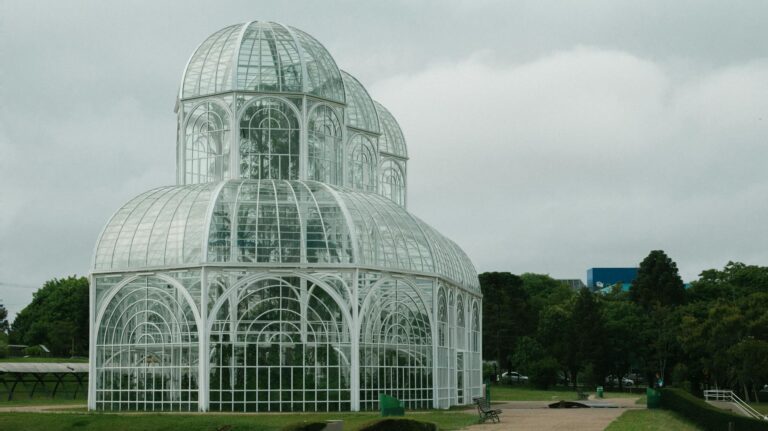
- Victorian style conservatories are distinguished by their rounded, multi-faceted shape, offering a panoramic view of the garden.
- Edwardian or Georgian conservatories have a square or rectangular footprint, allowing for maximum internal space utilization.
- Gable-end or York style conservatories have a high roof slope forming a gable, providing a sense of grandeur and spaciousness.
Exploring the Different Types of Conservatories
Exploring the realm of conservatories, it becomes clear that the diverse range of types, from Lean-to or Cheltenham style to Victorian, Edwardian, Gable-end, and the versatile P-shaped and T-shaped designs, each offers unique architectural elements and benefits tailored for different property styles and spatial requirements.
Such variety adds versatility, allowing homeowners to select a style that complements their property and satisfies their spatial needs, thereby fostering a sense of belonging.
Comprehensive Overview of Conservatory Types
In our detailed overview of conservatory types, it becomes clear that each variety possesses unique architectural features and practical advantages.
From the simple yet stylish Lean-to, or Cheltenham style, to the more ornate Victorian and Edwardian designs, and the versatile P-shaped and T-shaped conservatories, there is a breadth of options available.
These distinctions not only serve aesthetic preferences but also accommodate diverse property types and homeowner needs, thereby underlining the significance of informed decision-making in conservatory selection.
Unveiling Varieties and Their Unique Features
Delving into the domain of conservatories, one uncovers an array of unique types each boasting distinguishing features that cater to different architectural styles and homeowner preferences.
The Lean-to or Cheltenham style is ideal for low-roofline properties, while the traditional Victorian style suits houses with ample roofline height.
Edwardian conservatories offer a grand, versatile design, and the spacious Gable-end or York style is apt for both traditional and modern homes.
Delving into Conservatory Glass Options
As we shift our focus to conservatory glass options, it is imperative to recognize the variety of materials and technologies available. Understanding the different properties of performance glass, such as its thermal efficiency and glare reduction capabilities, is essential.
Additionally, the advantages of self-cleaning glass and the privacy offered by tinted and reflective glass further underscore the importance of making an informed decision.
Performance Glass: Thermal Efficiency and Glare Reduction
While choosing the appropriate style of a conservatory is unquestionably important, it is equally essential to consider the type of glass that will enhance its thermal efficiency and reduce glare; performance glass is a top choice in this aspect.
- Enhances thermal efficiency by minimizing heat loss
- Low-E coatings reflect heat back into the room
- Argon gas-filled panes enhance energy efficiency
- Glare reduction guarantees a comfortable indoor environment.
Self-Cleaning Glass: Maintenance Ease for Busy Homeowners
In addition to the thermal efficiency and glare reduction offered by performance glass, the advent of self-cleaning glass introduces a revolutionary solution for busy homeowners seeking ease of maintenance in their conservatories.
This innovative glass, designed with a special coating, breaks down dirt using sunlight and uses rainwater to wash it away, ensuring long-lasting clarity and maximum light transmission with minimal upkeep.
Tinted and Reflective Glass: Privacy and Sun Protection
For homeowners seeking both sun protection and privacy in their conservatories, tinted and reflective glass options provide an elegant solution.
- Tinted glass reduces glare and UV rays, enhancing privacy and comfort.
- Reflective glass deflects sunlight, keeping interiors cooler.
- These glass options come in various shades to match different decors.
- They improve energy efficiency, reducing the need for excessive cooling.
Choosing the Right Conservatory Roof
Selecting an ideal conservatory roof is a critical aspect in the design process, as it considerably influences the aesthetic, thermal performance, and overall functionality of the space.
The focus will be on three primary roofing options: polycarbonate, glass, and solid or tiled roofing.
Each material presents unique advantages, from affordability and versatility to enhanced light and aesthetics, to superior insulation and stylistic appeal.
Polycarbonate Roofing: Affordable and Versatile
Offering a blend of affordability and versatility, polycarbonate roofing emerges as a compelling option for those seeking cost-effective solutions for their conservatory construction.
- Available in various colours, catering to diverse aesthetic choices.
- Provides insulation, maintaining a comfortable conservatory temperature.
- Lightweight and easy to install, enhancing its popularity.
- With sufficient maintenance, guarantees durability and long-term performance.
As such, polycarbonate roofing is an economically smart choice.
Glass Roofing: Enhanced Light and Aesthetics
Embracing the gracefulness of glass roofing can greatly enhance the aesthetic appeal of your conservatory. It provides an unobstructed view of the sky while ensuring maximum natural light penetration for a bright and airy atmosphere.
This durable and energy-efficient choice contributes to a modern, seamless connection with the outdoors. It offers a unique blend of aesthetics and functional benefits that will unquestionably elevate your conservatory experience.
Solid and Tiled Roofing: Insulation and Style
While the elegance and transparency of glass roofing make it an attractive option, the benefits of solid and tiled conservatory roofs, particularly regarding insulation and style, are equally compelling and worthy of consideration.
- Enhanced insulation for energy efficiency.
- Array of colors and finishes for style customization.
- Superior soundproofing for a tranquil environment.
- Minimal maintenance for durability and longevity.
These factors make solid and tiled roofs a popular choice.
Planning Permissions for Conservatories
Understanding the intricacies of planning permissions for conservatories is essential, as these regulations govern the extent and nature of the construction permissible.
These permissions, contingent on a variety of factors including height, extension limits, and the characteristics of the original property, require careful navigation to guarantee compliance.
Moreover, special considerations come into play for listed buildings or conservation areas, underscoring the need for thorough understanding or expert consultation in these instances.
Orangery Conservatory Planning Permission
Orangeries, a distinguished class of conservatories, boast architectural elegance and timeless charm. While these structures blur the lines between indoor and outdoor spaces, navigating planning permissions is paramount.
Orangeries, characterized by brick or stone pillars and a solid roof with a glazed lantern, often fall within permitted development rights, granting homeowners flexibility in construction.
However, specific regulations vary by location and property type, necessitating thorough research and adherence to local guidelines.
Understanding the distinct features and regulations surrounding orangery conservatories is essential for homeowners embarking on their construction journey, ensuring a seamless integration of sophistication and compliance.
Navigating the Requirements
Understanding the requirements for planning permissions is an essential step in the process of installing a conservatory, as various factors can influence whether such permissions are necessary.
- Conservatories may be deemed permitted development, avoiding the need for planning permission.
- Permissions may be required if the conservatory size exceeds 50% of the total land area.
- Local authorities or planning experts should be consulted for compliance.
- Restrictions apply to conservatories in conservation areas, listed buildings, or areas with specific design guidelines.
Conclusio
In conclusion, the choice of a conservatory style greatly influences its design and functionality. This includes options such as Victorian, Edwardian, Lean-to, Gable-end, P-shaped, and T-shaped. Thorough evaluation of intended use, design preferences, and expert consultation is necessary for making a well-informed decision.
Everest’s diverse offerings, high standards, and personalised services guarantee the right conservatory for every home. This fosters a sense of belonging and enhances spatial value. Quality and compliance underscore their commitment to customer satisfaction.
Frequently Asked Questions
What Are the Different Types of Conservatory?
The different types of conservatories include Lean-to or Cheltenham style, Victorian, Edwardian, Gable-end or York style, and P-shaped and T-shaped conservatories, each offering unique architectural features and design possibilities to complement various property styles.
What Is the Classification of a Conservatory?
A conservatory’s classification is based on its architectural style, roof design, and suitability for different properties. It’s like choosing a suit tailored to fit, enhancing your home’s aesthetics and functionality with styles like Victorian, Edwardian, or Lean-to.
What Classes Are in a Conservatory?
A conservatory typically offers intensive classes in disciplines such as music performance, acting, dance, and theater production. These courses focus on skill development and performance opportunities, preparing students for careers in the performing arts industry.
What Is the Difference Between Edwardian and Victorian Conservatory?
Edwardian conservatories differ from Victorian ones in shape and style. Edwardian conservatories have a square or rectangular layout, offering more internal space. Victorian conservatories, with their rounded fronts, are more ornate and traditionally styled.