
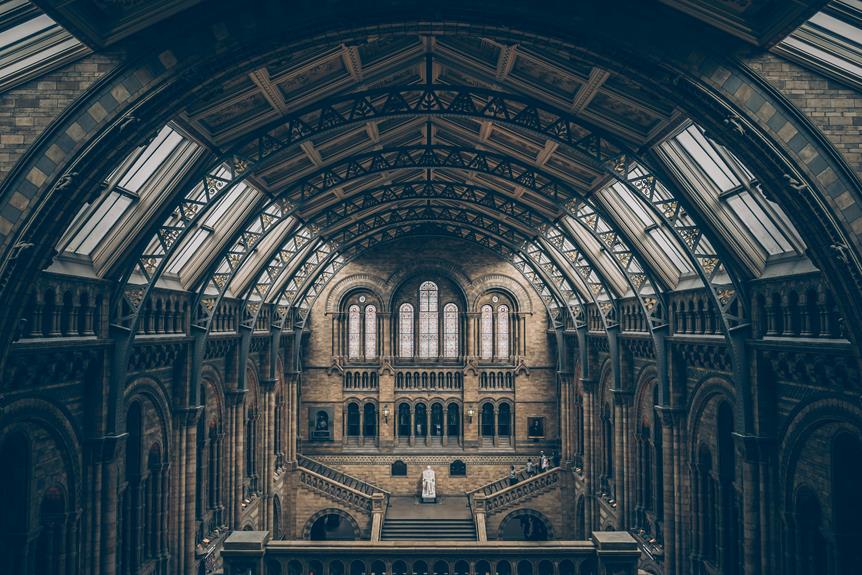
Conservatory Historical Designs 101
Conservatory design has evolved considerably, tracing its roots back to 16th-century Europe. Originally for citrus cultivation, by the 19th-century Victorian era, conservatories became grand structures symbolizing wealth and connection to nature. These designs were heavily influenced by ironwork intricacies and advancements in glass production. Contemporary conservatories blend historical elegance with cutting-edge tech. They have transformed from merely signifying affluence to versatile, personalized spaces, harmonizing interior living with nature. Planning permission, regulatory changes, and legal adaptations have also shaped conservatory designs, style, location, size, and materials. To grasp their intricate connection, further insight is valuable.
Key Takeaways
- Conservatories originated in 16th-century Europe for citrus cultivation, evolving into spaces for relaxation and entertainment in 19th-century England.
- The Victorian era marked the golden age of conservatories, characterized by grandeur, intricate ironwork and expansive glass structures.
- The design and style of conservatories reflect societal changes, technological advancements and architectural trends of the time.
- In modern home design, conservatories serve as versatile spaces that blend indoor living with nature, enhancing aesthetics and functionality.
- Understanding local building regulations and planning permissions is crucial in conservatory design today, ensuring safety, functionality and longevity.
The Evolution of Conservatories: From Origins to Today
The architectural journey of conservatories, initially conceived as functional spaces for growing citrus fruits, has witnessed an extensive transformation since their inception in the 16th century.
Their evolution, reaching a pinnacle during the Victorian era, marked a shift towards being symbols of affluence and cultural landmarks.
To comprehend this progression, we must examine the historical designs and their implications on the modern styles we see today.
Conservatories then and now: Tracing the Architectural Journey
Tracing the architectural journey of conservatories reveals a remarkable transformation. From their 16th-century European origins as spaces principally used for citrus cultivation, to their 19th-century evolution in England into multifunctional areas for relaxation and entertainment, embodying enhanced aesthetics and performance.
This evolution reflects societal changes, technological advancements, and shifts in architectural trends. Ultimately culminating in today’s conservatories, which combine functionality, style, and energy efficiency.
The Golden Age of Conservatories: A Victorian Legacy
Victorian Britain witnessed what can be described as the Golden Age of Conservatories, a period marked by grandeur, intricate ironwork, and expansive glass structures, largely driven by advancements in glass production and iron manufacturing techniques.
These conservatories, inspired by botanical gardens and exotic plant collections, symbolized wealth and connection to nature.
The era’s legacy continues to influence modern conservatory designs, blending historical elegance with contemporary technology.
Architectural Styles and Influences
The architectural design of conservatories has been notably influenced by various historical eras, prominently the Victorian and Edwardian periods. These eras have shaped and defined the aesthetics, functionality, and overall structure of conservatories, showcasing unique features, craftsmanship, and attention to detail.
In the modern context, these traditional styles have been adapted and modified to cater to contemporary tastes, representing an interesting amalgamation of the past and the present.
Victorian and Edwardian Conservatories: A Look Back
Delving into the architectural styles of the Victorian and Edwardian eras, it becomes evident how these periods greatly influenced the design and aesthetics of conservatories, each with distinct features and stylistic nuances that reflect the social and cultural values of their time.
- Victorian conservatories showcased ornate details and intricate ironwork.
- Large curved glass panels were a hallmark of Victorian style.
- Edwardian conservatories embraced geometric designs and squared-off corners.
- Edwardian conservatories favored a streamlined aesthetic with an emphasis on natural light.
Modern Conservatory Styles: Adapting to Contemporary Tastes
In the domain of modern architecture, conservatory designs have dramatically evolved, marrying sleek aesthetics, large glass expanses, and clean lines to cater to contemporary tastes and preferences.
Modern styles champion minimalism and openness, forging a deeper connection between indoor and outdoor spaces.
This shift towards sustainable and energy-efficient technologies reflects in the design evolution, blending traditional elements with modern innovations for versatile and visually striking spaces.
The Role of Conservatories in Home Design
Moving on to the role of conservatories in home design, it is important to acknowledge their historical benefits and their enduring appeal as living spaces. Traditionally, conservatories not only offered an exclusive space for plant cultivation and display but also served as symbols of wealth and refined taste.
Today, modern reinterpretations of conservatories integrate classic elements with contemporary design innovations, creating versatile, personalized spaces that link our indoor living areas with the natural world.
Why Install a Conservatory? Benefits Throughout History
From their origins as spaces for growing citrus fruits to their modern roles as sustainable expansions of living space, conservatories have played a significant and evolving role in home design throughout history. They have offered:
- A symbol of wealth and social status (Victorian era)
- A means of cultivating exotic plants (17th-century)
- An aesthetic enhancement to properties
- Current sustainable, energy-efficient living solutions.
Conservatories as Living Spaces: Beyond the Glass
While conservatories have historically been recognized for their intrinsic benefits, their role in contemporary home design transcends these traditional uses, serving as versatile living spaces that effortlessly merge indoor and outdoor elements.
Beyond mere glass structures, they provide unique environments for relaxation, entertainment, and connection with nature, enhancing home aesthetics and functionality, while promoting well-being and a harmonious balance between nature and modern living spaces.
Planning Permission for Conservatories: A Historical Overview
As we navigate through the historical journey of conservatory designs, it is important to understand the evolution of planning permissions attached to these structures.
The timeline, spanning from the 1970’s floor plans to the current standards of 2015, manifests a dynamic shift in regulations. These changes have been influenced by various factors including environmental concerns, architectural heritage preservation, and property owner rights, shaping our understanding and approach towards the development of conservatories.
Floor Plans Examples for Conservatory in 1970: Setting the Stage
In the 1970s, conservatory design and associated planning permissions underwent a significant transformation, with floor plans often featuring symmetrical layouts centered around a seating area and surrounded by lush plants and greenery.
- Plans prioritized natural light and views of the garden.
- Architectural harmony with the existing structure was key.
- Designs emphasized creating tranquil spaces for relaxation.
- Large windows, skylights, and outdoor access were typical features.
Conservatory Planning Permission 2005: A New Era Begins
The advent of 2005 ushered in a significant shift in the UK’s planning permission regulations for conservatories. This revision classified certain conservatory designs as permitted developments, provided they met specific criteria. The changes aimed at streamlining the planning process, reducing administrative burdens, and marking a new era in conservatory construction.
Planning Permission for Conservatories 2015: Current Standards
Exploring the terrain of planning permission for conservatories in 2015 necessitated a thorough understanding of specific standards and regulations. These were put in place to guarantee compliance with building codes and local ordinances. Key considerations included:
- Size of the conservatory
- Proximity to property boundaries
- Impact on neighbours
- Aesthetic and structural integrity of the property
Understanding these aspects ensured successful navigation of the planning permission process.
A Decade of Change: Conservatory Planning Permission 2012 and 2017
Reflecting on the evolution of planning permissions for conservatories, the decade spanning from 2012 to 2017 marked significant regulatory changes that aimed to simplify the process for homeowners.
In 2012, restrictions were relaxed, and by 2017, the permitted development rights were further extended, enabling larger conservatories to be built without planning permission.
These adjustments streamlined the process, making it easier for homeowners to enhance their properties.
Navigating Legal Changes and Their Impact
The evolution of conservatory design and construction, historically and presently, is closely connected to prevailing legal frameworks. These regulations, particularly planning permission requirements, have a profound impact on the design, location, size, and even the materials used in building these structures.
Therefore, understanding the existing legal requirements and anticipating potential regulatory changes is vital to guarantee the safety, functionality, and longevity of your conservatory.
The Impact of Planning Permission Regulations on Conservatory Design
While conservatories have evolved greatly over the centuries, their design and construction in the present day are heavily influenced by planning permission regulations which dictate important aspects such as:
- Size of the conservatory
- Height in accordance with the existing property
- Location in relation to property boundaries
- Proximity to neighboring properties
Legal changes may impact design options, requiring compliance with specific construction and aesthetic guidelines.
Understanding Legal Requirements for Your Conservatory Today
As you embark on your journey to construct a conservatory, it is vital to stay updated on local building regulations and planning permissions that govern the size, height, proximity to boundaries, and the materials used for construction.
Changes in these codes can influence your design and structure. Adherence guarantees safety and longevity, while seeking advice from experts helps navigate these legal changes, ensuring your conservatory meets all necessary standards.
Conclusion
Reflecting on the evolution of conservatories, these architectural marvels have transformed from utilitarian structures for growing exotic fruits in the 17th century to becoming symbols of wealth and status during the Victorian era, and eventually integrating into mainstream residential architecture in the 20th century.
- 17th Century: Greenhouses for exotic fruits
- Victorian Era: Symbols of wealth and status
- 20th Century: Part of mainstream residential design
- Today: Sustainable, customizable spaces for relaxation and entertainment.
Frequently Asked Questions
What Is the History of Conservatories in the Uk?
Conservatories in the UK have evolved from 17th-century citrus-growing greenhouses to Victorian status symbols, with today’s designs offering energy efficiency and aesthetic appeal. Each era reflects the architectural, botanical, and social trends of its time.
What Is the Difference Between Edwardian and Victorian Conservatory?
Edwardian conservatories feature a square shape and hipped roof, emphasizing simplicity and space. In contrast, Victorian conservatories are more ornate with bay fronts, intricate detailing, and decorative roof cresting, reflecting the grandeur of the era.
How Can I Make My Old Conservatory Look Good?
To modernize your old conservatory, consider updating the color scheme, incorporating trendy decor, and upgrading fixtures. Enhance insulation with energy-efficient glazing and select furniture that complements your desired design style. Consult a specialist for personalized advice.
What Does an Edwardian Conservatory Look Like?
An Edwardian conservatory boasts a grand, symmetrical design, characterized by a rectangular shape, pitched roof, and a ridge. Its key features are large, multi-pane windows and ornate finials, providing an airy, light-filled space with panoramic views.